
Planning a vacation is exciting, but for those with hearing loss, there are additional considerations to ensure a smooth and enjoyable trip. Taking care of your hearing health while traveling can enhance your overall experience, allowing you to fully immerse yourself in new places and activities. With a few simple tips and precautions, you can make your journey pleasant and worry-free.
Preparing for Your Trip
Before you set off on your adventure, make sure your hearing aids are in good working condition. Schedule a hearing health exam with your provider to ensure your hearing aids are functioning optimally. It’s also a good idea to have your provider check for any needed adjustments or repairs. They can provide valuable advice on maintaining your devices while you’re away.
Additionally, pack extra batteries and accessories. Consider carrying a small hearing aid care kit with items like a cleaning brush, extra domes, and a drying container. Being prepared for any situation can prevent unnecessary stress and allow you to focus on enjoying your vacation.
Navigating Airports and Transportation
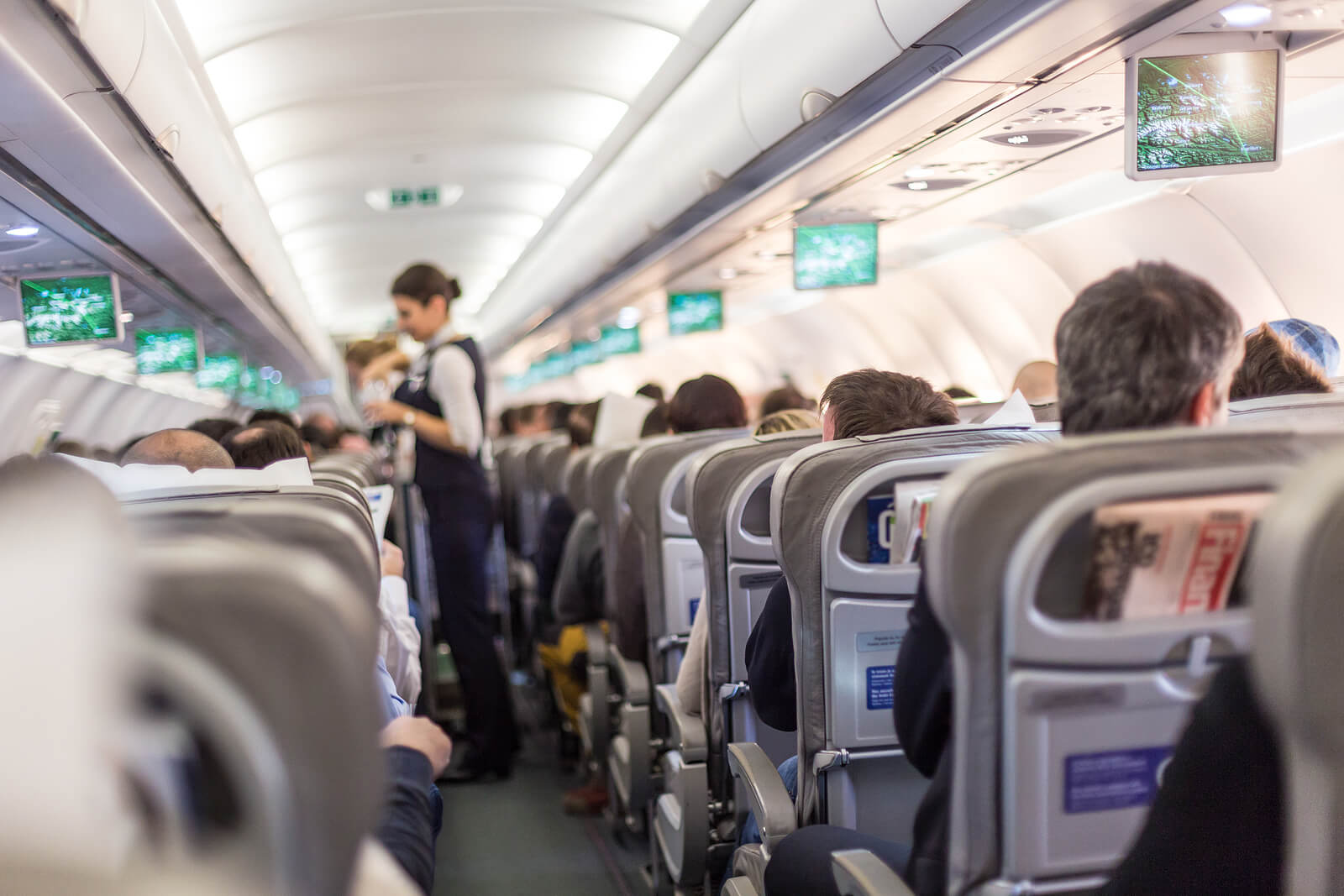
Traveling through airports and other transportation hubs can be challenging for people with hearing loss. Airports are noisy, and public address systems can be difficult to hear. To ease your journey, arrive early to give yourself plenty of time to navigate through check-ins and security checks. Notify airport staff and flight attendants about your hearing loss so they can assist you with important announcements and instructions.
When going through security, inform the TSA agents that you are wearing hearing aids. Most hearing aids can pass through metal detectors without any issues, but it’s best to let the agents know to avoid any complications. Keep your hearing aids in your ears during the flight for better communication with flight attendants and to enjoy in-flight entertainment that might be available.
Exploring New Destinations
Once you arrive at your destination, exploring new places can be a wonderful experience. However, background noise and unfamiliar surroundings can make hearing difficult. Choose quieter restaurants and cafes to enjoy meals without straining to hear conversations. Many establishments offer assistive listening devices, so don’t hesitate to ask if they are available.
When visiting attractions like museums or guided tours, inquire if they provide hearing assistance options. Many museums offer audio guides with adjustable volume controls, and guided tours often have hearing aid-compatible systems. These resources can greatly enhance your experience and help you fully engage with the exhibits and information.
Communicating in Different Languages
Traveling to a country where you don’t speak the language can be daunting, especially with hearing loss. Learning a few key phrases in the local language can be immensely helpful. Phrases like “I have hearing loss” or “Can you speak slowly?” can make interactions smoother. There are also translation apps available that can assist in bridging language barriers, allowing you to communicate more effectively.
Using visual cues is another effective strategy. Gestures, facial expressions, and written notes can help convey your message when verbal communication is challenging. Most people are willing to assist and appreciate the effort you are making to communicate.
Managing Hearing Aids in Different Climates
Different climates can affect the performance and maintenance of your hearing aids. In humid environments, moisture can build up in your devices. Using a hearing aid dehumidifier or drying container at night can help keep your hearing aids in optimal condition. In dry, dusty areas, regular cleaning is essential to prevent debris from clogging the microphones and speakers.
Extreme temperatures can also impact hearing aids. Avoid leaving your devices in direct sunlight or in very cold environments for extended periods. When not in use, store them in a protective case to shield them from the elements.
Staying Connected
While on vacation, staying connected with your provider can provide peace of mind. Many professionals offer remote services and can assist with minor adjustments or troubleshooting issues that may arise during your trip. Ensure you have their contact information handy and that you know how to reach them if needed.
Modern hearing aids often come with smartphone connectivity features. These features allow you to control your hearing aids’ settings through an app, stream audio directly from your phone, and even locate your hearing aids if they get misplaced. Familiarize yourself with these features before your trip to make the most of your devices.
Vacationing with hearing aids requires a bit of extra preparation, but it doesn’t have to be stressful. By taking proactive steps to ensure your hearing aids are in top shape, communicating effectively, and managing your devices in different environments, you can enjoy a fulfilling and memorable vacation. Embrace the adventure with confidence, knowing that your hearing health is well taken care of.